
AHK-Cu Copper Peptide: The Alanine-Histidine-Lysine Complex for Hair Research
Price range: $57.00 through $128.00
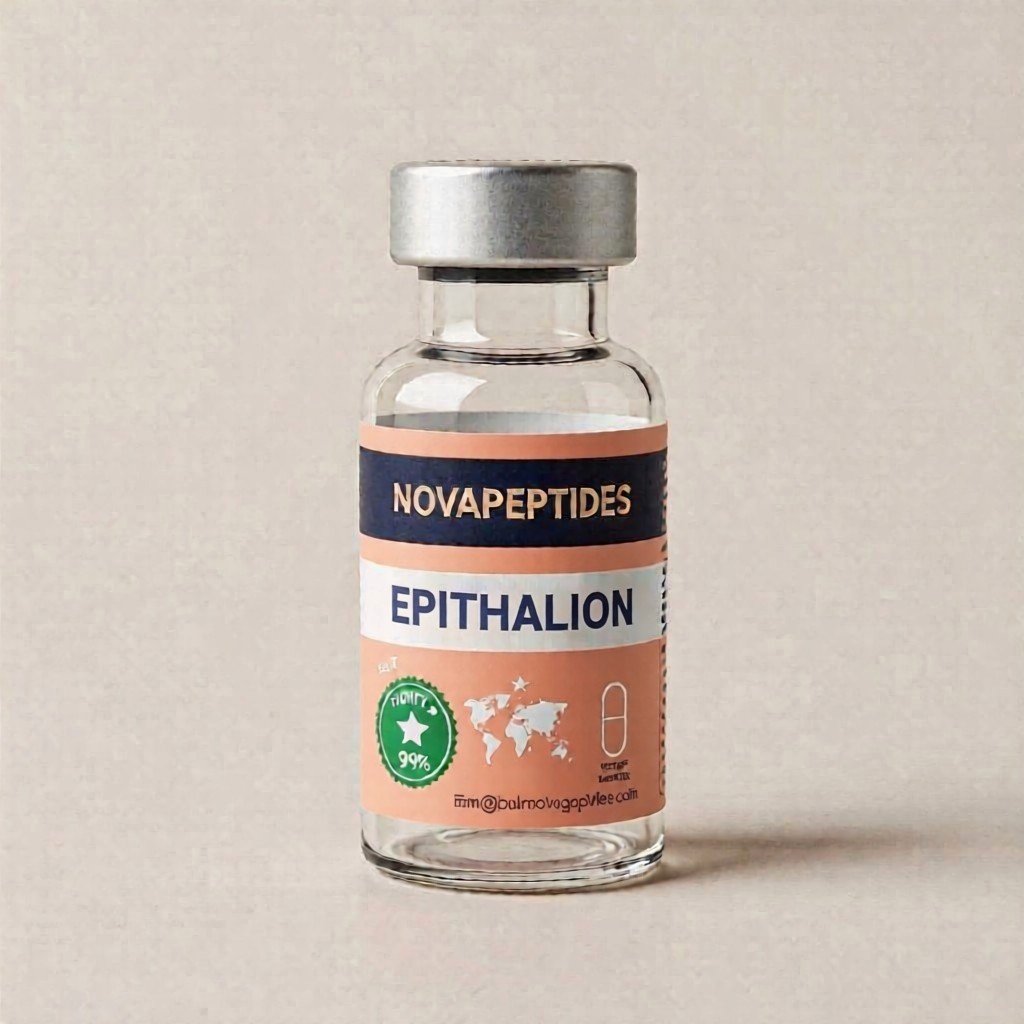
Epithalon (also known as Epitalon) is a synthetic tetrapeptide with the amino acid sequence Ala-Glu-Asp-Gly (AEDG), developed by Professor Vladimir Khavinson at the St. Petersburg Institute of Bioregulation and Gerontology. This pineal gland-derived peptide has been extensively studied for its ability to activate telomerase and extend telomere length in human somatic cells. Epithalon represents a unique class of short peptide bioregulators that interact with gene expression to potentially restore cellular function to more youthful patterns. Research demonstrates that Epithalon induces expression of the catalytic subunit of telomerase (hTERT) in telomerase-negative cell lines, leading to measurable telomere elongation and extended cellular replicative capacity.
AHK-Cu: The Synthetic Copper Tripeptide for Hair Biology Research
AHK-Cu represents a specialized advancement in copper peptide technology, specifically engineered to interact with hair follicle biology and dermal papilla cell function. While sharing structural similarities with the naturally occurring GHK-Cu, this synthetic alanine-histidine-lysine copper complex (also designated Copper Tripeptide-3) exhibits distinct pharmacological properties that make it particularly valuable for hair research applications. The strategic substitution of glycine with alanine creates a peptide with enhanced affinity for specific cellular pathways involved in follicular growth and maintenance.
Molecular Structure and Copper Coordination
The molecular architecture of AHK-Cu centers on a tripeptide backbone composed of L-alanine, L-histidine, and L-lysine residues. Like other copper peptides in the GHK family, the histidine residue serves as the primary coordination site for copper(II) ions, forming a stable chelate complex with characteristic blue coloration. The presence of alanine rather than glycine at the N-terminus introduces subtle steric and electronic modifications that influence receptor interactions and tissue specificity.
According to structural analyses documented in copper peptide research literature, AHK-Cu maintains the square planar coordination geometry typical of copper(II) tripeptide complexes, with the imidazole nitrogen of histidine and multiple deprotonated amide nitrogens participating in metal binding. This stable chelation prevents free copper ion generation while facilitating targeted delivery to copper-dependent enzymes and signaling pathways.
Dermal Papilla Cell Biology and Mechanism of Action
The primary mechanism through which AHK-Cu exerts its effects involves direct stimulation of dermal papilla cells (DPCs)—the specialized mesenchymal cells residing at the base of hair follicles that regulate follicular cycling and growth. These cells function as command centers, secreting growth factors and cytokines that influence the surrounding epithelial components of the hair bulb.
Research published in PubMed (Pyo et al., 2007) established that AHK-Cu promotes DPC proliferation at concentrations ranging from 10^-12 to 10^-9 M. This concentration-dependent effect demonstrates the peptide’s high potency, with measurable cellular responses occurring at picomolar to nanomolar concentrations. The mechanism involves several interconnected pathways:
- VEGF Upregulation: AHK-Cu stimulates vascular endothelial growth factor production, enhancing angiogenesis and nutrient delivery to follicular structures
- IGF-1 Enhancement: Increased insulin-like growth factor-1 signaling promotes anagen phase maintenance and cellular proliferation
- TGF-β1 Modulation: Downregulation of transforming growth factor-beta1 reduces catagen-promoting signals
- Anti-Apoptotic Effects: Shifts in Bcl-2/Bax ratios favor cell survival over programmed cell death
These coordinated effects create a microenvironment conducive to sustained follicular activity and growth.
Ex Vivo Hair Follicle Studies
The landmark study by Pyo and colleagues provided definitive evidence of AHK-Cu‘s effects on human hair biology using organ culture models. In this experimental system, isolated human hair follicles were maintained in culture medium and exposed to varying concentrations of the copper peptide.
Results demonstrated that AHK-Cu significantly stimulated the elongation of hair follicles compared to control conditions. This elongation effect correlated with enhanced survival of dermal papilla cells and maintenance of anagen-phase morphology. The study established two primary mechanisms: direct stimulation of DPC proliferation and prevention of apoptosis through modulation of survival signaling pathways.
Further research documented in NIH/PMC confirms these findings and positions AHK-Cu as a key reference compound for understanding copper peptide effects on hair biology. The peptide’s ability to maintain follicular growth ex vivo suggests robust activity in supporting the cellular processes essential for hair maintenance.
Comparison with GHK-Cu and Other Copper Peptides
While both AHK-Cu and GHK-Cu share copper-binding properties and tripeptide structures, they exhibit distinct activity profiles that reflect their different amino acid compositions. GHK-Cu (glycyl-histidyl-L-lysine) occurs naturally in human plasma and demonstrates broad tissue regenerative effects including collagen synthesis, wound healing, and antioxidant gene modulation.
In contrast, AHK-Cu shows more specialized activity toward hair follicle biology. Research indicates that while GHK-Cu affects approximately 4,000 genes across multiple tissue types, AHK-Cu appears more focused on growth factor signaling pathways relevant to follicular maintenance. This specificity makes AHK-Cu particularly valuable for hair-focused research applications, while GHK-Cu remains the preferred option for general skin regeneration studies.
Both peptides demonstrate excellent safety profiles and biocompatibility, with copper coordination preventing the oxidative damage associated with free copper ions while enabling enzymatic cofactor delivery.
VEGF Signaling and Angiogenesis
Vascular endothelial growth factor (VEGF) plays a critical role in hair follicle biology by promoting the formation of new blood vessels that deliver oxygen and nutrients to metabolically active follicular structures. AHK-Cu has been shown to significantly enhance VEGF production by dermal papilla cells, creating a pro-angiogenic environment around the hair bulb.
This angiogenic effect complements the direct proliferative actions on DPCs, ensuring that expanding cell populations receive adequate vascular support. Research published in Biotech Peptides suggests that VEGF upregulation by AHK-Cu may strengthen blood vessel formation and nutrient delivery, supporting the metabolic demands of active hair follicles.
The coordination between cellular proliferation and vascularization represents a hallmark of effective tissue regeneration, and AHK-Cu appears to facilitate both processes simultaneously.
Anti-Apoptotic Signaling and Cell Survival
Programmed cell death (apoptosis) represents a natural process in hair follicle cycling, particularly during the catagen and telogen phases. However, premature apoptosis of dermal papilla cells can lead to follicular miniaturization and reduced hair growth capacity. AHK-Cu demonstrates significant anti-apoptotic properties that help maintain DPC populations.
The peptide modulates key apoptosis regulators including:
- Bcl-2 Family Proteins: Enhances expression of pro-survival Bcl-2 while reducing pro-apoptotic Bax
- Caspase Activity: Downregulates executioner caspases involved in cell death pathways
- Mitochondrial Integrity: Maintains membrane potential and prevents cytochrome c release
By shifting the balance toward cell survival, AHK-Cu supports the long-term maintenance of functional dermal papilla cell populations essential for ongoing hair cycling.
Research Applications and Experimental Models
AHK-Cu serves as a valuable research tool for investigating hair biology across multiple experimental contexts. The peptide is commonly employed in:
- Dermal papilla cell culture studies examining proliferation and signaling
- Hair follicle organ culture models for ex vivo growth analysis
- Angiogenesis assays evaluating vascular endothelial responses
- Gene expression studies profiling growth factor and cytokine production
- Comparative studies with other copper peptides and hair growth compounds
Standard concentrations for in vitro research typically range from 10^-12 to 10^-9 M, with optimal responses often observed at 10^-10 M (100 pM). Researchers should note that AHK-Cu requires appropriate copper coordination for full activity, and stock solutions should be prepared and stored under conditions that maintain complex integrity.
Skin Applications Beyond Hair Biology
While primarily studied for hair applications, AHK-Cu shares some properties with GHK-Cu that suggest potential skin benefits. The copper delivery function supports collagen synthesis, elastin production, and antioxidant enzyme activation. However, the research literature indicates that GHK-Cu remains the gold standard for skin regeneration applications, while AHK-Cu offers more specialized utility for hair-focused investigations.
For researchers investigating comprehensive copper peptide effects across both skin and hair biology, comparative studies using both peptides can provide valuable insights into structure-activity relationships and tissue-specific responses.
To explore our complete selection of research peptides including copper complexes and hair biology compounds, visit Buy Nova Peptides Shop or browse our educational resources at Buy Nova Peptides.
References and Scientific Literature
- Pyo, H.K., et al. (2007). “The effect of tripeptide-copper complex on human hair growth in vitro.” Archives of Pharmacal Research, 30(7), 834-839. PubMed
- Won, C.H., et al. (2007). “Hair growth-promoting effects of AHK-Cu (Copper Tripeptide-3) in human hair follicle organ culture and dermal papilla cells.” Journal of Dermatological Science. ResearchGate
- Pickart, L., & Margolina, A. (2018). “The Potential of GHK as an Anti-Aging Peptide.” Cosmetics, 5(3), 54. NIH/PMC
- Overview of Short Peptides for Hair Loss. (2024). Journal of Cosmetic Dermatology. NIH/PMC
- Insulin-like Growth Factor 1 (IGF-1) in Hair Regeneration. (2025). Cosmetics, 47(9), 773. MDPI
- Epithelial-Mesenchymal Interaction in Hair Regeneration. (2022). Frontiers in Cell and Developmental Biology. NIH/PMC
- AHK-Cu Peptide and Epithelial Tissues. (2025). Biotech Peptides Research. Biotech Peptides
- Copper Peptides for Hair: Clinical Evidence Review. (2024). Peptide Journal. PeptideJournal
- Wikipedia Contributors. “Copper peptide GHK-Cu.” Wikipedia. Wikipedia
- Google Scholar. “AHK-Cu copper peptide hair follicle dermal papilla research.” Google Scholar
Disclaimer: This content is provided for educational and research purposes only. AHK-Cu is intended for laboratory research use and is not approved for human consumption or therapeutic applications. This information does not constitute medical advice, treatment recommendations, or claims of efficacy. Always consult qualified healthcare professionals and comply with applicable regulations governing research peptides.
| dosage | 10mg, 40mg |
|---|
Be the first to review “AHK-Cu Copper Peptide: The Alanine-Histidine-Lysine Complex for Hair Research”
Related products

Uncategorized
Uncategorized


Reviews
There are no reviews yet.